How Coastal Salt Air Can Increase Garage Door Maintenance Needs
A garage door near the coast does not age the same way as one farther inland. The difference is rarely dramatic on day one. It shows up slowly, in hardware that starts looking tired sooner than expected, in moving parts that become noisy, and in operating issues that seem minor until they stop being minor. On the Gold Coast and in similar coastal areas, service providers regularly point to salt air, humidity, and heat as conditions that can affect garage-door hardware and increase maintenance needs.
That matters because a garage door is not just a slab that goes up and down. It is a system. The door itself, the tracks, rollers, hinges, springs, motor, and remotes all have to work together. When one part starts to degrade, the rest of the system often has to compensate. A small corrosion issue can turn into drag. Drag can affect balance. Poor balance can put extra strain on a motor. That is often how homeowners end up searching for ways to fix garage door problems that might have been easier, safer, and less expensive to address earlier.
Why coastal conditions are harder on garage doors
Salt in the air settles on exposed surfaces. Humidity keeps those surfaces damp for longer. Heat adds another layer of stress by expanding materials and intensifying wear over time. None of this is unique to garage doors, but garage doors have a particular vulnerability because they combine outdoor exposure with frequent movement. A gate latch can corrode and still more or less sit there. A garage door has to roll, hinge, lift, and stop, sometimes several times a day.
In practical terms, coastal exposure often affects the metal parts first. Hinges, brackets, springs, tracks, fasteners, and opener hardware are all working parts, not purely decorative ones. If surface deterioration develops on something that has to move smoothly or stay precisely aligned, performance can start to change. The door may become louder. It may hesitate. It may feel heavier when operated manually. It may begin closing unevenly, or stop short and reverse.
These are not always signs of a major failure. Often they are the first signs that the environment is speeding up normal wear.
The hidden cost of “it still works”
One of the more common mistakes with garage doors is waiting too long because the door still opens and closes. That logic makes sense with some household items. It is less reliable with a garage door because the load and tension involved are significant. A door can remain functional while several parts are already under more stress than they should be.
This is especially relevant in coastal areas. Salt air does not always cause a sudden breakdown. More often, it nudges the system out of its ideal condition. A little extra friction here, a little corrosion there, a slightly rougher track surface, slightly less reliable response from hardware or motor components. The changes accumulate. By the time a homeowner notices a clear problem, the original issue may no longer be the only issue.
That is one reason many local service providers recommend regular servicing. On the Gold Coast, at least one garage-door business recommends professional servicing every 12 months to help prevent breakdowns and extend the life of the door and motor. In a benign environment, some owners might get away with less attention. In a coastal one, skipping maintenance tends to be less forgiving.
Which parts usually feel coastal wear first
Not every component reacts to the environment in the same way. The door panel may still look acceptable while the hardware around it is already working harder. The motor may still run while the door itself has become less balanced. Understanding where problems commonly begin helps explain why coastal maintenance needs are higher.
Springs are a major example. They do the heavy lifting in a garage door system, and they are under high tension. Industry safety guidance makes it clear that springs are dangerous to adjust or repair without proper training and tools. That warning matters everywhere, but it matters even more where environmental wear may shorten the comfortable margin between “working” and “failing.”
If a spring breaks, the issue is not simply inconvenience. A broken spring can affect the balance of the whole door, and safety guidance also notes that both springs may need replacement because they typically https://goldcoastgaragedoorrepair.com.au/southport-qld/ wear similarly and mismatched springs can create balance problems. In other words, what looks like one failed part may actually be evidence of system-wide wear.
Openers and motors can also feel the knock-on effects of coastal wear. Gold Coast businesses commonly include motor replacement, installation services, and automation upgrades among their offerings, which reflects how often opener systems are part of real repair work. Salt air does not need to directly destroy a motor to contribute to trouble. If the door becomes harder to move because of resistance elsewhere, the opener may end up doing more work than it was meant to.
Tracks, rollers, and hinges also deserve attention. Garage door alignment depends on those parts staying in good operating condition. If corrosion or wear introduces binding, the door may no longer travel evenly. That is when people begin noticing rubbing, jerking, or a garage door not closing properly.
When a closing problem is really a coastal maintenance problem
A garage door that does not close properly is one of the most common complaints owners notice, partly because it is hard to ignore. Sometimes the door stops before reaching the floor. Sometimes it appears to close and then reverses. Sometimes it drops unevenly. Homeowners often focus on the symptom, but the symptom can come from several layers underneath.
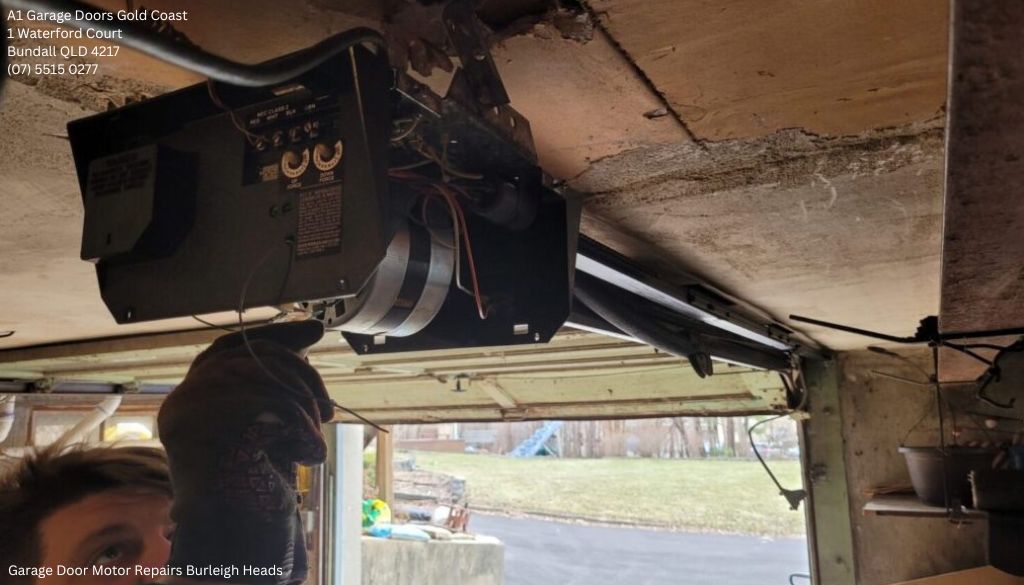
In a coastal setting, a closing problem may be linked to resistance in the door path, wear in moving hardware, or a door that is no longer moving in clean alignment. It can also be tied to opener strain. That is why “garage door not closing properly” is not a diagnosis by itself. It is a flag that the whole system needs to be looked at.
A useful way to think about it is this: the opener is only one part of the conversation. People often jump straight to garage door opener repair because the motor is the visible machine doing the work. Sometimes that is exactly the right call. At other times, the opener is reacting to a door that has become harder to move due to alignment or hardware issues. Replacing or repairing the opener without addressing the underlying drag may solve the immediate symptom but not the larger problem.
This is where judgment matters. A coastal garage door can present as an electrical or motor issue when the root cause is mechanical. It can also present as a mechanical issue when the opener has been overworked for long enough that it now needs service too.
What garage door alignment has to do with salt air
Garage door alignment sounds technical, but most people recognize misalignment the moment they see it. The door may look slightly crooked. One side may appear to move more smoothly than the other. The rollers may seem to travel with a scrape instead of a clean roll. The bottom edge may not sit evenly when closed.
Alignment matters because garage doors rely on coordinated movement. The tracks have to guide the door correctly. The rollers have to move with minimal resistance. The springs have to keep the load balanced. If coastal conditions contribute to corrosion or roughness in hardware, that balance can shift. The change might be subtle at first, but garage door alignment issues rarely improve on their own.
There is also a practical point here. People often want to fix garage door alignment as a standalone task, but alignment is usually a symptom tied to the condition of several related parts. garage door resource If those parts have been affected by a harsh environment, the best remedy may involve inspection, servicing, and selective replacement rather than a simple adjustment.
Signs the coast may be catching up with your garage door
The early warning signs are often small enough to dismiss. That is why they are worth naming clearly.
- More noise during opening or closing than the door used to make
- Hesitation, jerky travel, or movement that seems uneven side to side
- A garage door not closing properly, including stopping short or reversing
- Visible wear or deterioration on metal hardware, especially around moving joints
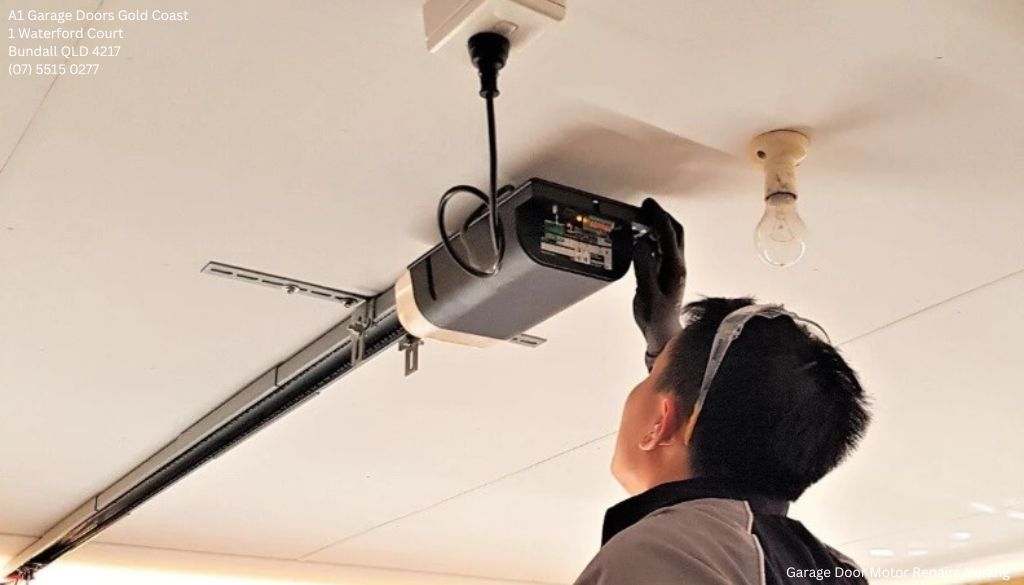
- An opener that sounds strained, even though the door still technically operates
None of those signs automatically point to a single failed part. Together, though, they suggest the door may need service sooner rather than later. In coastal environments, that is often the difference between routine maintenance and a more disruptive repair.
The role of regular servicing
Preventive maintenance tends to sound optional until a breakdown happens at an inconvenient time. With coastal garage doors, regular servicing is less about perfection and more about staying ahead of compound wear. Since local service providers already note that salt air, humidity, and heat can increase maintenance needs, a wait-and-see approach usually carries more risk than it does inland.
An annual professional service is a sensible baseline, and that lines up with the Gold Coast recommendation mentioned earlier. During a service, the value is not just lubrication or tightening a few parts. The larger value is in identifying where wear is changing how the system behaves. A technician can look at the condition of springs, moving hardware, motor performance, and general operation in context, instead of guessing from a single symptom.
That context matters because the same complaint can have very different causes. A noisy door may need simple servicing, or it may be heading toward a spring or balance issue. A sluggish door may need opener attention, or it may be dragging because the door itself is no longer moving cleanly. A proper inspection can sort that out before a homeowner spends money in the wrong place.
Where professional repair makes the most sense
Some garage door tasks seem straightforward until you get into the force involved. Springs are the clearest example. Safety guidance states that garage door springs are under high tension and are dangerous to adjust or repair without proper training and tools. That is not a legalistic warning. It is a practical one.
Spring replacement, in particular, is standard repair work offered by local garage-door services, and for good reason. When a spring fails, balance changes immediately. The door can become difficult or unsafe to operate. If there are paired springs, replacing both may be necessary because they usually wear at a similar rate, and mismatched springs can create balance problems.
Motors and automation systems are another area where professional support often makes sense. Gold Coast companies commonly offer motor repairs, replacement, and automation upgrades for existing garage doors. That reflects real demand. Coastal conditions can contribute to wear in the overall system, and once a motor has been affected by that extra load, the right remedy may involve repair, replacement, or a broader service check rather than a quick reset.
Even when the goal is simply to fix garage door performance that has become unreliable, the safest and most effective route is often to diagnose the whole operating system instead of replacing parts one by one.
What homeowners can do between professional visits
There is a useful middle ground between doing nothing and trying to handle high-risk repairs yourself. Routine attention can help you spot trouble earlier and describe it more clearly when you call for service.
- Watch and listen to the full opening and closing cycle every so often
- Note changes in noise, speed, or whether the door looks uneven in travel
- Keep an eye on exposed hardware for obvious deterioration or looseness
- Do not force a door that suddenly feels heavy or moves abnormally
- Arrange service promptly if operation changes, especially near the coast
That kind of observation is not a substitute for repair work, but it is valuable. Homeowners who can say, “It started reversing halfway down last week,” or “The left side began moving rougher than the right,” usually make the diagnostic process faster and more accurate.
Why the opener often gets blamed first
The opener sits in plain view, it has a motor, and it makes the most obvious mechanical sound. So when the door starts acting up, many people assume the opener is the culprit. Sometimes that instinct is correct. Garage door opener repair is a standard service because opener systems do fail and do wear out.
But in coastal areas, the opener may be the messenger rather than the source of the problem. If the tracks, rollers, hinges, or springs are no longer allowing smooth movement, the opener has to work harder to do the same job. That can produce symptoms that feel electrical or motor-related, even when the first issue was environmental wear elsewhere.
There is a simple real-world example of this. A door that has become slightly harder to move due to hardware deterioration may still open in the morning when everything is cool and calm, then struggle later under different conditions. The owner notices inconsistency and thinks the motor is failing. The motor may indeed now be stressed, but the chain of events likely started in the mechanical side of the system.
That is why good service work tends to connect the dots instead of focusing on the loudest symptom.
Repair, replacement, or upgrade?
Not every coastal garage door problem points to the same solution. Sometimes a service visit and a few targeted repairs are enough to restore reliable operation. Sometimes a spring replacement is the main need. Sometimes the door hardware is serviceable but the motor is no longer worth ongoing patchwork. In other cases, owners choose an automation upgrade for an existing garage door rather than sinking money into an older setup.
The right choice depends on how the door is currently operating, how many components are showing wear, and whether the system has been maintained consistently. A single issue caught early is usually easier to manage than several deferred issues arriving together.
There is also a practical trade-off between chasing repeated small failures and making a more durable fix. In coastal environments, recurring maintenance can become frustrating if the underlying condition of the system has been declining for a while. That does not mean replacement is always necessary. It means the long-term cost and reliability picture should be part of the decision.
Coastal living changes the maintenance equation
A garage door in a salt-air environment should be thought of less like a static fixture and more like outdoor operating equipment. That shift in mindset helps. It explains why local businesses in coastal regions routinely deal with repairs, servicing, spring replacement, motor work, and automation updates. It also explains why annual professional servicing is not excessive in those conditions.
The main point is not that coastal air ruins every garage door. It is that the environment can speed up wear in ways that are easy to overlook until operation changes. Noise, rough travel, poor closure, opener strain, and garage door alignment issues are often connected. When they are addressed early, the fixes are usually more straightforward. When they are ignored, the whole system tends to pay for it.
For homeowners near the coast, the most sensible approach is steady observation, timely service, and a healthy respect for any part under tension or load. A garage door may look simple from the driveway. In practice, it is a coordinated mechanical system living in a harsh environment. Treat it that way, and it usually rewards you with fewer surprises.