Garage Door Opener Repair: Common Motor and Remote Issues
A garage door opener usually gets attention only when it stops doing the one job everyone expects from it, opening and closing the door smoothly, on command, every time. When it starts hesitating, reversing, clicking without moving, or ignoring the remote altogether, the inconvenience is immediate. For many households, the garage door is the main entry point, so a small fault can disrupt the whole day.
Most garage door opener repair calls cluster around two categories: motor trouble and remote trouble. That sounds simple, but the symptoms often overlap. A door that will not close may look like a remote issue when the real problem sits in the opener system. A sluggish motor may seem like a worn-out door when alignment or balance is part of the story. The practical challenge is separating what is merely annoying from what is unsafe.
That distinction matters. Garage doors are heavy, and some parts, especially springs, carry serious tension. In the field, one of the most common mistakes is treating every opener problem like a small electrical fault. Sometimes it is. Sometimes it is the first visible sign that the door itself is no longer moving as it should.
Why opener problems often start small
Garage door systems rarely fail all at once. More often, they give a sequence of warnings. The remote works only from close range. The motor sounds strained on humid afternoons. The door begins to stop short of the floor, then closes fully on the second try, then starts reversing for no obvious reason. These are the kinds of changes people get used to, until the opener finally refuses to cooperate.
In coastal areas such as the Gold Coast, local conditions can speed up wear. Salt air, humidity, and heat affect hardware over time, and that includes more than the door panels. Fasteners, tracks, brackets, and opener components all live in that environment. If a system is already a little out of tune, those conditions can make the weak point show itself sooner.
That is one reason regular servicing helps. At least one local garage door business recommends professional servicing every 12 months to prevent breakdowns and extend the life of the door and motor. That interval makes sense in practice because many problems are easier to correct when they are still small. A minor adjustment is one thing. A burnt-out motor or damaged door hardware is another.
When the motor is the problem, and when it is not
Homeowners often use the word “motor” to describe the whole opener, and that is understandable. If the unit on the ceiling hums or clicks and the door does not move, the motor becomes the prime suspect. Sometimes that suspicion is correct. Motor replacement and installation services are common enough that many garage door companies advertise them directly, often alongside automation upgrades for existing doors.
Still, not every opener that struggles needs a new motor. A motor can only do its job properly if the door moves correctly. If the door is heavy, binding, or out of balance, the opener has to work harder. Over time that added strain can show up as slow travel, intermittent stopping, or noisy operation. In other words, the opener may be reacting to a door problem, not causing it.
This is where judgment matters. If a door has been running normally for years and suddenly the remote stops working, the motor may be fine. If the motor starts sounding labored and the door also seems uneven or jerky, the bigger system deserves a closer look. People searching for a quick way to fix garage door issues often focus on the obvious powered part first, but opener performance depends on the condition of the entire setup.
The classic symptom: garage door not closing properly
Few complaints are as common as a garage door not closing properly. It may come down partway and reverse. It may stop before reaching the floor. It may close only when someone keeps the wall control engaged. In conversation, these all sound similar, but they can point in different directions.
Sometimes the opener is receiving inconsistent input. Sometimes the motor is not delivering smooth drive through the full cycle. In other cases, the door itself is not travelling cleanly in the opening. That is where garage door alignment enters the picture. If the door or its hardware is no longer moving true, the opener may react by stopping or reversing rather than forcing the issue. A door that once glided can begin to drag, and the opener is often the first place that stress becomes obvious.
There is also a practical habit garage door resource that complicates diagnosis: many people keep trying the remote over and over when the door resists. Repeated commands do not solve a mechanical bind. They can make matters worse, especially if the opener keeps trying to push through resistance. A single failed close is an annoyance. Ten repeated attempts can turn a manageable repair into a more expensive one.
What remote problems really look like
Remote faults tend to be less dramatic than motor faults, but they can be just as disruptive. The door might open only when the car is very close. One remote works while another does not. The wall control responds, but the handheld unit seems dead. In homes with more than one driver, these issues can become confusing fast because the failure appears inconsistent.
The first clue is whether the opener responds in any other way. If the wall control still operates the door, that points attention toward the remote side of the system rather than the motor itself. If nothing responds reliably, the fault may be broader. The challenge is not to jump to a conclusion too early. People often replace a remote because it is the cheapest visible piece in the chain, only to learn that the underlying issue remains.
Remote issues also have a way of masking other faults. A door that opens but then refuses to close from the remote may seem like a handheld transmitter problem. Yet if the system is already struggling with door travel, the remote is simply delivering a command the opener cannot complete properly. That is why a good diagnosis starts with behavior, not guesswork. What works, what does not, and under what conditions tells you more than the label on the component.
The door and opener have to work as a pair
A garage door opener is not designed to overpower a bad door. It is designed to automate a door that is fundamentally operating as it should. That distinction gets lost when people talk about garage door opener repair as if the opener exists in isolation.
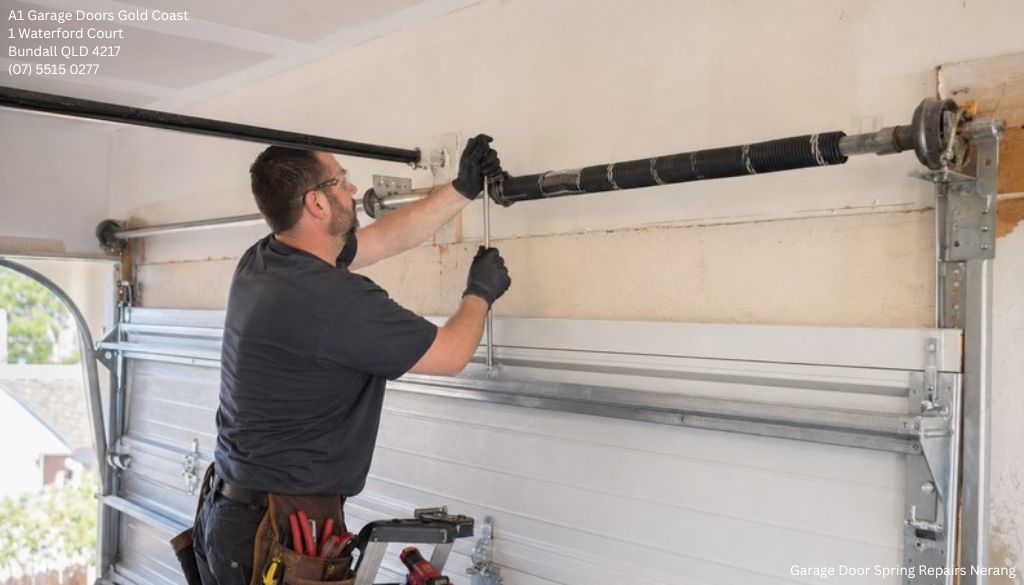
If the door is misaligned, binding, or otherwise moving poorly, the opener pays the price. This can show up as motor strain, inconsistent travel, or repeated stopping. When homeowners mention garage door alignment, they are often thinking about a door that looks uneven or sounds rough in motion. That visual or audible change matters. It may explain why the opener suddenly seems unreliable.
In everyday service work, this pairing is impossible to ignore. A healthy opener attached to a troubled door will not stay healthy for long. Likewise, replacing a motor without addressing the movement of the door can leave the same complaint unresolved. The door may open for a while, but the root cause keeps working in the background.
This is also why local service companies often group repairs, servicing, installations, and component replacement under one roof. Motors, remotes, springs, and other parts are part of one system. A useful repair approach looks at the interaction, not just the failed symptom.
Springs are not opener parts, but they affect opener behavior
Many people are surprised to learn how often opener complaints lead to a discussion about springs. Springs are standard repair items, and local garage door companies commonly replace them. That alone should tell you how central they are to overall performance.
A spring problem can make an opener appear weak or faulty because the opener is suddenly trying to move a door that is no longer properly balanced. The danger here is twofold. First, the opener can suffer additional strain. Second, the spring itself is not a casual do-it-yourself fix. Safety guidance is very clear that garage door springs are under high tension and are dangerous to adjust or repair without proper training and tools.
There is another practical detail that matters when a spring breaks. Safety guidance also notes that both springs may need replacement because they usually wear in a similar way, and mismatched springs can create balance problems. That is the https://goldcoastgaragedoorrepair.com.au/southport-qld/ sort of repair decision that frustrates people at first because they expected a single-part fix. In practice, though, replacing only one worn spring can leave the system uneven, which then feeds straight back into opener performance.
So while springs are not the same as motors or remotes, they belong in any honest conversation about why a garage door opener is struggling. Ignoring that connection leads to bad repairs.
Signs the problem needs professional attention
Some garage door problems are obvious enough that there is no value in trial and error. A trained technician brings more than replacement parts. They bring the ability to separate a remote problem from a motor problem, and both from a balance or alignment problem.
Here are a few situations where that matters right away:
- the motor runs or hums, but the door does not move normally
- the garage door not closing properly becomes a repeated pattern, not a one-off glitch
- the door appears uneven, rough, or out of alignment during travel
- a spring looks broken, or the door suddenly feels unusually heavy
- replacing or rechecking the remote does not change the opener’s behavior
Those signs do not all point to the same repair, but they share one thing: they suggest the issue is larger than a simple convenience fault. When the door’s movement changes, the safest assumption is that the whole system needs inspection.
Repair or replace the opener?
This question comes up often, especially when an older setup starts producing intermittent faults. The answer depends less on a hard age number and more on condition, reliability, and what the inspection reveals. Since motor replacement and automation upgrades are standard services in many areas, replacement is clearly part of the normal repair landscape. But that does not mean every frustrating opener is due for retirement.
A targeted repair can make sense when the problem is limited and the rest of the system is sound. A remote issue, for example, may not justify major work if the opener and door are otherwise operating properly. On the other hand, if a motor is failing and the door also needs broader attention, replacement may be the more sensible path.
There is also a practical middle ground that many owners overlook: servicing. A system that is fundamentally intact but neglected may benefit more from professional adjustment and maintenance than from major parts replacement. This is where the 12-month service recommendation earns its keep. It is easier to make a good replace-or-repair decision when the system has been checked regularly instead of left untouched until failure.
Automation upgrades and older doors
Another point worth noting is that older garage doors do not always require full replacement to gain opener functionality. Automation upgrades for existing garage doors are commonly offered, which reflects a very practical reality. Many doors remain structurally serviceable even when their manual operation, hardware, or opener arrangement no longer suits the household.
That said, adding or upgrading automation does not erase existing door problems. If the door already has alignment issues or unresolved wear in key components, a new opener may not deliver the smooth result the owner expects. The better approach is to make sure the underlying door is operating correctly first, then match it with an opener or upgraded motor that suits the condition of the system.
This is one of those areas where homeowners can be misled by simple before-and-after thinking. New remote, new motor, problem solved. Sometimes yes. Sometimes the upgrade simply exposes how much effort the old setup had been hiding.
A realistic approach to diagnosis
The most useful mindset with garage door opener repair is to treat symptoms as clues, not answers. If the remote fails, ask what still works. If the motor runs, ask how the door is actually moving. If the door will not close, ask whether the travel has looked or sounded different lately. Small observations narrow the problem quickly.
A remote issue tends to show up in command delivery. A motor issue tends to show up in force, movement, or consistency. A door issue tends to reveal itself through travel, alignment, or resistance. Of course, real jobs are not always so tidy. One problem can trigger another. A worn door can overwork a motor. A motor under strain can make a close-cycle problem look random. That is why replacing parts by guesswork can become expensive.
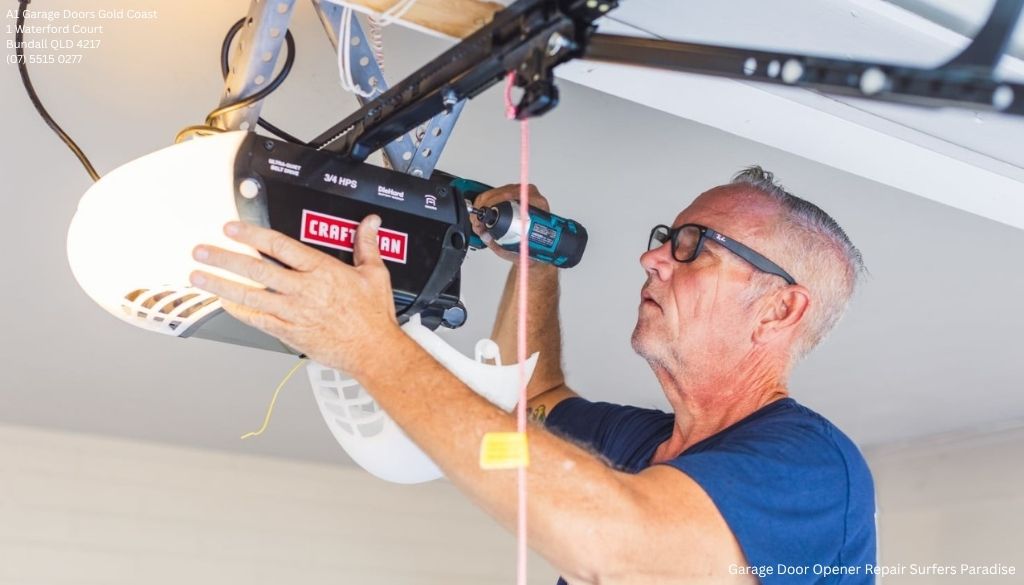
Professionals tend to look for patterns rather than isolated failures. Did the trouble appear suddenly or gradually? Is it worse in certain weather? Has the door become noisier or rougher over time? In places where heat, humidity, and salt air are part of daily life, those questions are especially relevant because environmental wear does not strike all parts equally. A system can be “mostly fine” until one stressed component reaches its limit.
Keeping the next failure from arriving early
Maintenance is less glamorous than repair, but it is usually cheaper and less disruptive. When service providers recommend annual servicing, it is not a sales line pulled from thin air. It reflects how garage door systems age in the real world. Minor wear accumulates. Fasteners loosen. Components experience environmental exposure. What begins as a slight change in sound or movement can become a no-start call months later.
For homeowners, the practical lesson is simple. Do not wait for total failure if the opener is already sending signals. A remote that becomes unreliable, a motor that sounds strained, or a garage door not closing properly are all reasons to act before the system is forced into a harder breakdown. If the problem turns out to be small, that is good news. If it reveals spring wear, alignment trouble, or a motor nearing the end of its useful life, you have caught it before more damage follows.
Anyone trying to fix garage door issues should keep the bigger picture in view. The opener, the door, the remotes, and the hardware all depend on each other. When one part starts misbehaving, the smartest repair is the one that identifies why, not just what stopped working. That is the difference between a short-term patch and a door that returns to quiet, dependable service.