Fix Garage Door Problems With Reliable Repair and Maintenance Plans
A garage door is one of those household systems people barely notice when it works and cannot ignore when it does not. The trouble usually starts small. The door hesitates for a second. It sounds rougher than usual. It stops short of the floor, then reverses. A remote becomes unreliable. Left alone, those minor frustrations often turn into a breakdown at the worst time, usually when someone is already late, carrying groceries, or trying to secure the property before dark.
Most garage door problems are not random. They build from wear, poor balance, environmental exposure, or neglected servicing. In coastal areas such as the Gold Coast, salt air, humidity, and heat can be especially hard on moving hardware and electronic components. That does not mean every issue is serious, but it does mean small signs deserve attention sooner rather than later.
If your goal is to fix garage door issues without creating bigger ones, it helps to think in two tracks at once. The first is repair, dealing with the immediate fault. The second is maintenance, which prevents repeat failures and extends the life of the door, motor, and related hardware. The most reliable results usually come from treating both as part of the same plan.
Why garage door faults tend to repeat
People often assume a garage door failure comes from one isolated part. Sometimes it does. A motor may stop responding, a remote may fail, or a spring may break. But in practice, these systems work as a chain. When one part starts struggling, the rest often compensate. The motor pulls harder. The track system carries extra stress. The door loses smooth travel. What looks like one simple fault can be the visible symptom of a larger imbalance.
This is especially true when a garage door not closing properly becomes the main complaint. Homeowners tend to focus on the closing problem because it is the most obvious. The real cause, though, may sit elsewhere. Misalignment, worn components, or an issue with the opener can all show up as a door that stops short, reverses, or sits unevenly when shut.
That is why piecemeal fixes do not always hold. Replacing one visible part without checking the system around it can leave the underlying cause untouched. A proper repair plan asks a more useful question: what changed in the door’s movement, balance, or control that made this problem appear now?
The difference between a nuisance and a safety issue
Not every garage door problem is equally urgent. A noisy door is annoying. An intermittent remote is inconvenient. A damaged spring is something else entirely.
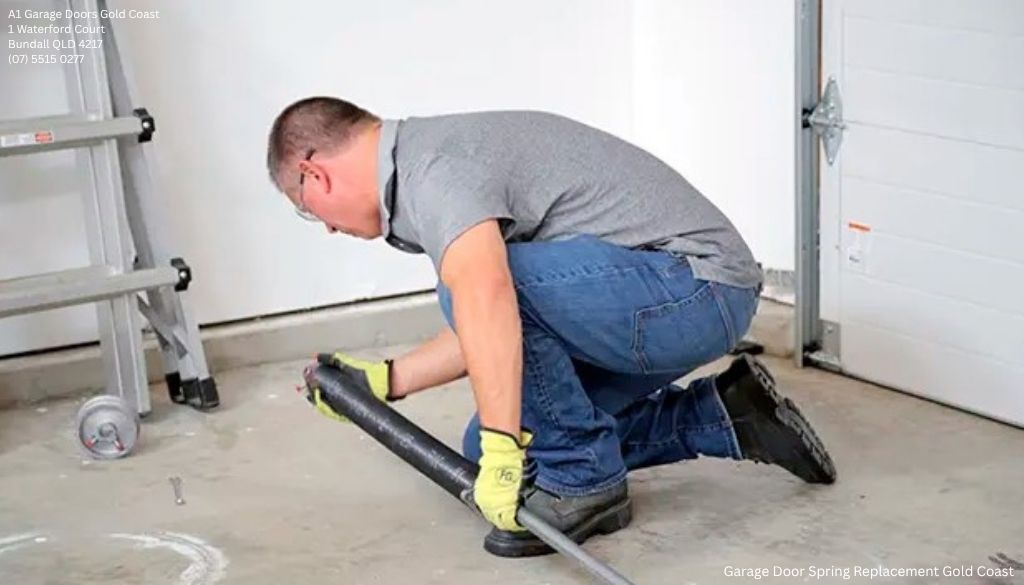
Springs operate under high tension and are dangerous to adjust or repair without the right training and tools. That point cannot be overstated. A lot of home maintenance tasks reward confidence and patience. Spring work is not one of them. Trying to save time or money there can lead to severe injury and, in some cases, damage to the rest of the door system.
There is also a practical reason professionals often recommend replacing both springs when one fails. Springs tend to wear at a similar rate. If one breaks, the other may not be far behind. A mismatched pair can create balance problems, and balance affects how the entire door moves. That is one of those details experienced technicians notice quickly because they have seen the same pattern play out many times. The second spring might still be intact, but if it has aged alongside the broken one, keeping it can be a false economy.
The same principle applies more broadly. If a repair solves the immediate fault but ignores the overall condition of the door, it may not stay solved for long.
When the opener is really the problem
A surprising number of service calls that begin with “the door is acting up” lead back to the motor or control system. That is where garage door opener repair becomes more than a narrow electrical job. The opener is responsible for driving the movement, but it also depends on the door being in reasonable condition. If the door is out of balance or dragging, the opener ends up working harder than intended.
On the Gold Coast, service providers commonly handle motor replacement, motor installation, remote issues, and automation upgrades for commercial garage door maintenance existing garage doors. That matters because not every opener problem requires a full replacement, and not every older door needs to stay manual. Sometimes the most sensible plan is a targeted repair. Other times, especially when repeated faults keep happening, a replacement or automation upgrade makes better long term sense.
The right choice depends on the condition of the system as a whole. If the hardware is sound and the problem is isolated to the motor or controls, garage door opener repair may be enough. If the door has multiple aging components and the opener has already been struggling, replacing the motor can prevent a cycle of repeated service calls.
What matters most is resisting the urge to diagnose the opener in isolation. A strong motor cannot compensate forever for a door that is poorly balanced or out of line.
Garage door alignment is often the hidden issue
Alignment problems are easy to miss because they develop gradually. A door may begin to travel slightly unevenly. The movement becomes less smooth. The gap at the floor or sides changes subtly. Then one day, the door starts catching, reversing, or refusing to close properly.
Garage door alignment affects both function and wear. When the door is not tracking cleanly, the stress does not stay in one place. It spreads. The opener, rollers, and other moving parts work harder to force the door through a path it no longer follows naturally. That extra strain can shorten the service life of several components at once.
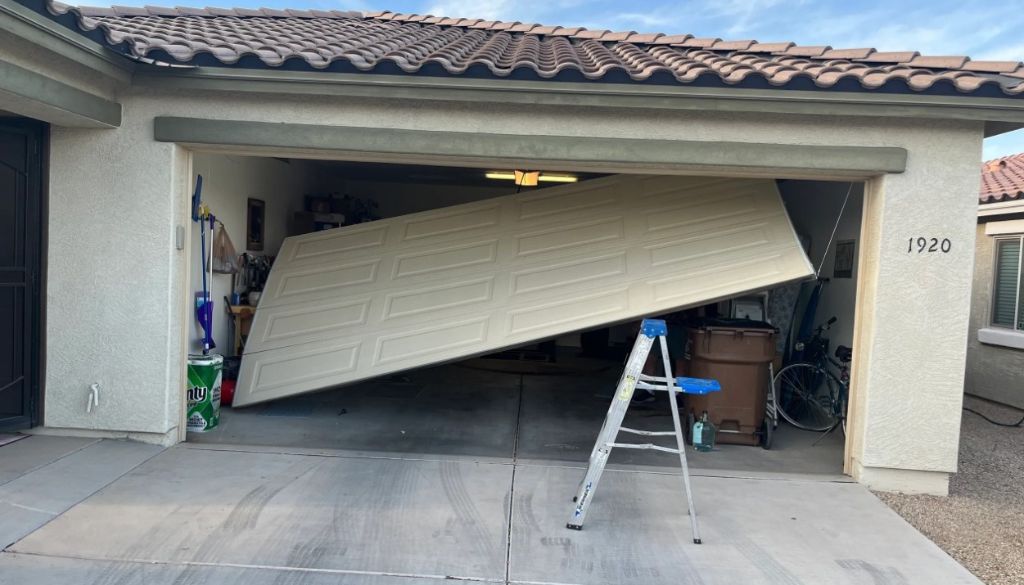
People often describe alignment faults in ordinary terms rather than technical ones. They say the door “looks crooked,” “sounds rough,” or “stops before it should.” Those descriptions are useful. A seasoned repairer learns a lot from how the problem feels in daily use, not just from the hardware itself.
If garage door alignment is off, the fix should restore proper travel rather than simply masking the symptom. For example, forcing a stubborn door to keep operating with a strained opener does not solve alignment. It just moves the stress somewhere else.
What routine servicing actually prevents
There is a reason professional servicing is commonly recommended every 12 months. Garage doors do a repetitive job in a changing environment. Even when they are not abused, they accumulate wear. Regular servicing is less about reacting to dramatic failures and more about catching ordinary deterioration before it causes disruption.
In regions with heat, humidity, and salt air, maintenance becomes even more valuable. Coastal conditions can affect hardware and motors over time. That does not mean every door will fail early, but it does mean service intervals matter. A door that works well inland may need more attention near the coast simply because the environment is harder on metal parts and electronic systems.
Reliable maintenance plans usually focus on three outcomes. They help prevent breakdowns, they extend the life of the door and motor, and they reduce the odds of a minor issue turning into a major repair. Anyone who has dealt with a failed garage door on a busy morning knows that prevention is not an abstract benefit. It is time saved, stress avoided, and security maintained.
The signs that should not be ignored
Most failing garage doors give warning before they stop working completely. The trick is noticing those warnings when they are still manageable.
- The door no longer closes smoothly or reverses before reaching the floor.
- The opener sounds strained, inconsistent, or louder than usual.
- The door appears uneven or its travel looks less straight than before.
- Remotes or motor controls become unreliable without a clear reason.
- Movement changes suddenly after a long period of normal operation.
None of these signs proves a specific fault by itself. Together, they point to a system that needs attention. The value of early service is that repairs are often simpler before extra wear spreads through the rest of the door.
Repair first, replace later is not always the cheapest path
Homeowners naturally want to repair before replacing. That instinct makes sense. No one wants to spend more than necessary. But the lowest immediate bill is not always the lowest overall cost.
Take a door with an aging motor, inconsistent movement, and poor alignment. A single repair visit might address the most obvious symptom and get the door working again. If the deeper causes remain, the next failure may not be far off. After two or three separate callouts, the cheaper approach stops being cheaper.
The opposite mistake also happens. A motor or spring fails, and someone assumes the whole door system has reached the end. In reality, many garage door repairs are routine. Gold Coast service providers commonly repair doors, replace springs, install motors, and replace remotes without full system replacement. Knowing that range of options matters. It keeps decisions practical instead of emotional.
The best repair and maintenance plans are built around condition, not assumption. That means looking at the current fault, the age and wear pattern of related components, the local environment, and how heavily the door is used. A door opened a few times a week lives a different life from one used constantly, but both benefit from the same basic principle: repair the real cause, then maintain what you repaired.
A practical approach when the garage door is not closing properly
When a garage door not closing properly becomes the immediate problem, people often want one quick answer. In reality, the sensible response is a process of elimination with safety in mind. Some causes are minor, some are not, and some are connected to broader issues such as alignment or opener strain.
A practical service approach usually includes these checks:
- Confirm whether the issue is isolated to the opener, controls, or the door’s movement itself.
- Look for signs that garage door alignment has changed during travel.
- Assess whether the motor is working harder than it should.
- Identify any worn or failed components that may be affecting balance.
- Rule out spring problems, and leave any spring repair to trained professionals.
That kind of disciplined check matters because “not closing properly” is a symptom, not a diagnosis. One door may need garage door opener repair. Another may need spring replacement. A third may mainly need servicing and adjustment after environmental wear has built up over time.
Why annual service plans make sense
A maintenance plan sounds simple, and that is part of its value. Instead of waiting for failure, the owner schedules regular attention. One Gold Coast provider specifically recommends professional servicing every 12 months to help prevent breakdowns and extend the life of the door and motor. That timing is not excessive. For most households, it is a practical baseline.
Annual servicing also helps create a maintenance history. That matters more than people think. When a technician can compare the current condition of the motor, springs, and general door movement against last year’s state, changes stand out earlier. Wear is easier to spot when there is a known starting point.
There is another benefit that often gets overlooked. Regular service encourages better decision making when a fault finally does appear. Instead of reacting under pressure, the owner already knows the approximate condition of the system. If a motor starts failing, the question becomes whether repair or replacement makes sense in the context of known wear, not guesswork on a stressful day.
For homes in coastal conditions, annual service is especially sensible. Salt air, humidity, and heat can gradually affect hardware and automation components. A door may still look fine from a distance while its working parts age faster than expected. Service visits catch what casual observation misses.
Realistic expectations about DIY fixes
There is a wide middle ground between helplessness and overconfidence. Owners can absolutely pay attention to symptoms, note when performance changes, and arrange service early. They can keep an eye on whether the door sits evenly and whether the opener sounds normal. Those observations are useful, often more useful than a vague report that “it just stopped.”
Where problems begin is when people assume every garage door issue is a weekend task. The system is heavier, more tensioned, and more interconnected than it appears. Springs in particular are hazardous. Even when the visible fault seems straightforward, the underlying cause may involve balance or alignment that is not obvious without experience.
In my experience, the most expensive garage door jobs often begin as small DIY experiments. A part gets forced, a setting gets changed without understanding the wider effect, or a strained motor is kept running against a door that no longer travels properly. What could have been a clean service call becomes a more complicated repair.
That is why the smartest owner response is usually simple. Notice the change, stop pushing the system if it is clearly struggling, and get the right repair work done before secondary damage develops.
Matching the repair plan to the property
Not every property needs the same maintenance rhythm or repair strategy. A detached suburban garage used twice a day is not the same as a busy household where the garage door acts as the main entrance. Local conditions matter too. In the Gold Coast area, routine exposure to salt air and humidity can push maintenance higher on the priority list than it might be elsewhere.
That local context explains why service providers in the region often offer a broad range of work, from repairs and servicing to installations, spring replacement, motor replacement, remote replacement, and automation upgrades. The demand is not just for emergency rescue. It is for keeping doors dependable in a climate that can be hard on moving systems.
A reliable plan starts with honesty about how the door is used and how much inconvenience a failure would cause. For some households, a breakdown is merely disruptive. For others, it affects vehicle access, storage security, or the main daily point of entry. The greater the reliance, the less sense it makes to postpone servicing.
The goal is dependable movement, not temporary operation
People sometimes judge a garage door repair by one simple standard: does the door move again? That is understandable, but it is too narrow. A repair is only truly successful when the door moves dependably, closes properly, and does not place unnecessary stress on the motor or hardware.
That is why the best service work does more than restart a stuck door. It restores proper operation and then supports it with maintenance. If the door needed a spring replaced, the balance question matters. If the opener was repaired, the condition of the door it drives matters. If alignment was corrected, future wear needs watching. Good maintenance is what protects the value of good repair.
Anyone trying to fix garage door issues for the long term should think less about isolated parts and more about the whole operating system. Doors, springs, motors, remotes, and alignment all influence one another. When that system is repaired carefully and serviced regularly, it usually rewards the effort with quieter operation, fewer surprise failures, and a longer working life.
That is the practical case for reliable repair and maintenance plans. They do not just get the garage door open today. They reduce the odds that the same problem, or a more expensive version of it, comes back next month.